
The Heart of England Community Energy Story
Heart of England Community Energy (HECE) produces solar energy and its profits are used to fund activities that benefit the local community but also extend to help in developing countries. John Stott is chair of the company and in his interview he explains how he became involved, what the company does and how it contributes to the community.
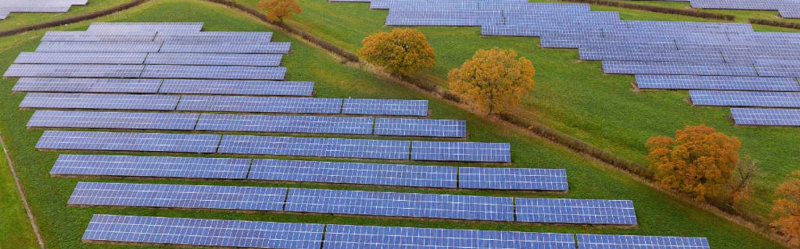
John became interested in the climate problem at the beginning of the millennium and when an opportunity arose to invest in a solar farm near Stratford, he responded positively. A company that had developed nine solar farms was required by law to offer some of these to community ownership and an asset management company became the legal entity for the purchase of them. The asset manager sought local directors and John volunteered along with 7 others to form the board of directors. John volunteered because he thought that his engineering background would be useful. When the asset manager advised that they wanted to withdraw from the board, John agreed to the suggestion that he become chair.
In order to meet its commitments to community ownership, the company raised a share offer and two bond offers that could be taken up by local investors as well as from farther afield. HECE’s asset manager is Communities for Renewables. They provide numerous services to HECE to enable the whole operation to run smoothly.
One unanticipated responsibility that he encountered was the need to understand the part that hay plays in the generation of solar energy and to ensure that proper procedures are followed.
If grass is allowed to grow too high it affects the functioning of the panels, so it needs to be mown regularly. However, HECE’s land management policy requires the mown grass must be given a few days to dry before being gathered up and removed because if left to mulch it enriches the soil. Because the land is contaminated, the hay cannot be used so HECE’s aim is to produce a wildflower meadow and wildflowers thrive on impoverished soil.
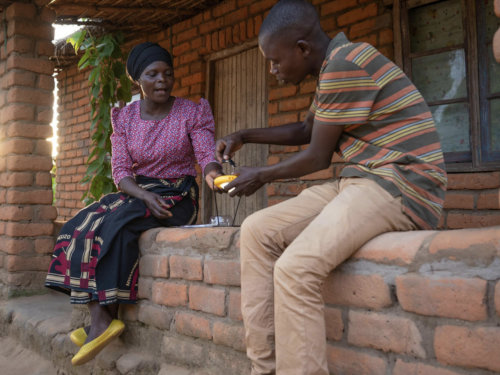 From early on, HECE engaged with Act on Energy to fund a case worker to help those in fuel poverty and its work has inspired both Stratford and Warwickshire district councils to fund a similar approach. It also provides funding for solar lighting in Africa as well as working with local organisations.
These include Citizens Advice, funding an extra administrator and providing money to overcome restrictions on the distribution of benefits. It has also been involved in various local projects such as Stratford’s food bank and the provision of Christmas hampers. Its latest initiative is a soft loan scheme for carbon saving, allowing recipients 20 years to pay back the loan by sharing the savings produced by the carbon saving scheme.
Being a director of the company requires engagement with some complex issues, but the results are worthwhile. It is frustrating, though, that government legislation makes it impractical for the company to sell the electricity directly to the local community. As John explains, “We’d love to be able to sell to local people, but right now you can’t do that.”
You can hear the interview with John and a more detailed summary via the following link [LINK].
More information on HECE and its work can be accessed at https://www.hecommunityenergy.org/