
What happens to our household waste?
In Stratford there are four household waste streams – each with its own bin. The 123+ service for Stratford-on-Avon and Warwick districts, serves 126,000 households and aims to help protect the environment and tackle issues around climate change.
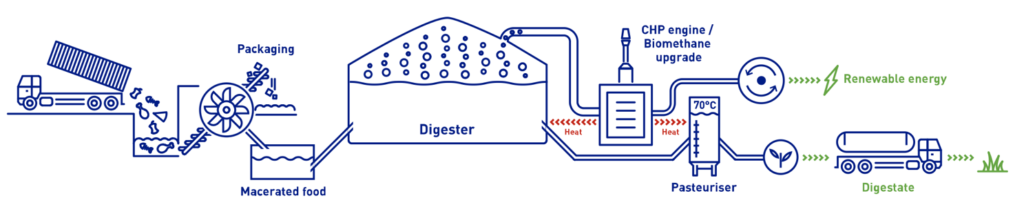
This anaerobic digester turns food waste into methane and heat which helps power the plant. The surplus is fed into the gas network, fuelling homes and businesses. The remaining solids are used by farmers as a liquid fertiliser. The process is greener than putting food waste into landfill, but it’s not perfect; instead of putting potent-climate-heating-methane into the atmosphere the end users of the gas simply emit CO2.
Recycling – collected every two weeks. This is taken to an advanced Materials Recovery Facility (MRF) in Coventry which sorts the waste using traditional methods, as well as artificial intelligence to reject incorrectly sorted items from the conveyor belts. The MRF is jointly owned by eight local councils, including Stratford District Council. When the plastics, glass, metals and paper are sold to “off-takers”, the councils keep the profits. The facility aims to keep contamination to just 1% – which means the bales of recyclable waste can be sold for more. Material which can’t be recycled goes to cements kilns.
To be as green as possible the recyclable materials stay in the U.K, minimising transport carbon emissions and contributing to circular economy. The MRF has solar panels on the roof which help power the plant and the electric forklifts used there. The surplus goes to the grid.
Other Refuse – collected every three weeks. This waste goes to the incinerator in Coventry, which provides both electricity for the grid as well as hot water for a district heating system. The heating output makes this facility greener than many incinerators, but burning waste generates CO2, just like a coal or gas power station.
Garden waste – collected every two weeks for an annual fee (not covered by Council Tax). The garden waste is taken to a composting site where any material that is not compostable is removed. The remaining waste is shredded and laid out in a long pile to decompose, usually in the open air. The process at a composting site is like
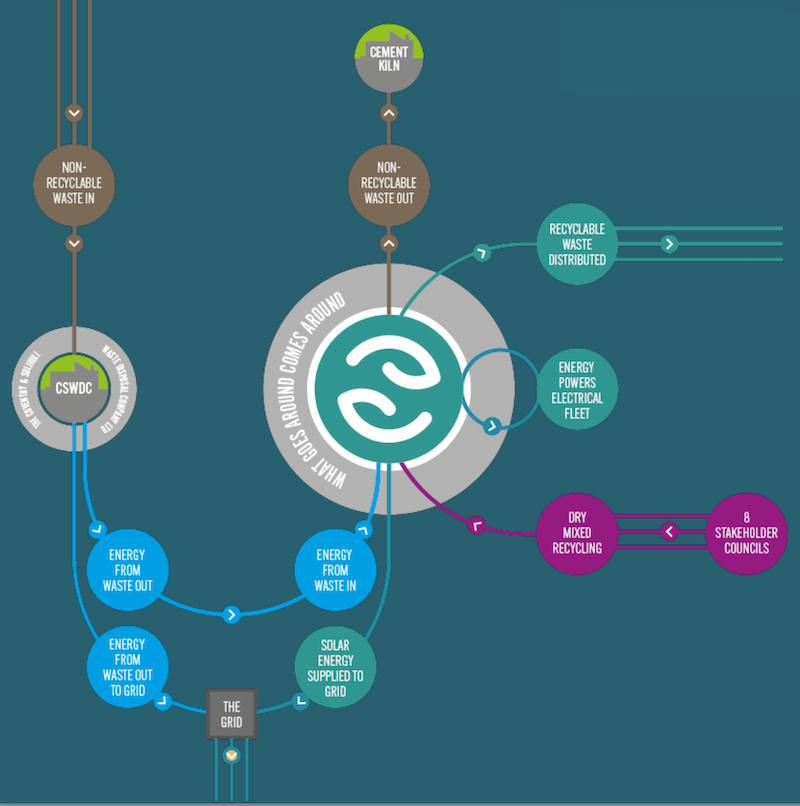
Figure 2. The Incinerator and MRF work together
that in a home compost bin but is actively managed to speed up the process. The resulting compost can be applied in a range of end uses, in full-scale agriculture, landscaping, gardens and brownfield sites. It can be used as a soil improver, mulch, topsoil constituent, turf dressing, etc.
So – sending my waste to the council via these four bins is helping the environment?
Well – a little. But we can do better.
Stratford District Council has one of the best recycling rates in England, but that just means that a higher percentage of the waste we send them is recycled. It’s better to simply send them less waste (of all kinds). We can do this with a little bit of effort.
We should:
Buy less stuff
Waste less food
Buy products with less packaging
Re-use things
Get things repaired – at one of the area’s Repair Cafes if a professional repair would cost more than the item is worth.
But when you put something in a bin, make sure it’s the right bin.